
Steel grade
TP347
3 items in stock
Products in this grade
- TP347
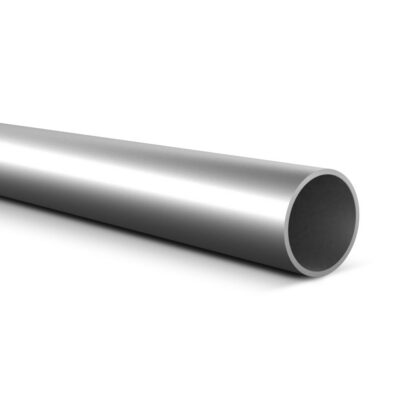
Stainless steel seamless tube DN80 Ø 88,9mm x 7,62mm in grade TP347
in stock871,02 € (708,15 € excl. VAT) - TP347
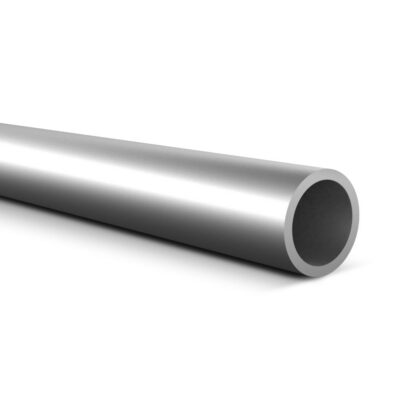
Stainless steel seamless tube hollow bar DN40 Ø 51mm x 10mm in grade TP347
in stock590,05 € (479,72 € excl. VAT) - TP347
Stainless steel seamless tube DN40 Ø 44,5mm x 4mm in grade TP347
in deliveryPrice range: 421,46 € through 1264,39 €Ask about delivery
Steel TP347 – material profile
Equivalent designations
- 347 4
- 1.4550
- X6CrNiNb18-10
Origin and significance of acid‑resistant and austenitic stainless steels
Definition and basic properties of stainless steels
Stainless steel is a family of iron alloys containing at least about 10.5% chromium, which enables the formation of a thin, durable, self‑healing chromium oxide layer on the surface. This layer – passive and invisible to the eye – protects the material from further oxidation and substantially reduces corrosion. In practice, stainless steel is a material that combines relatively high mechanical strength with chemical resistance and the possibility of plastic forming and good weldability. Several groups of stainless steels are distinguished: ferritic, martensitic, duplex and austenitic. Austenitic steels are considered the most versatile for industrial and everyday applications thanks to their formability, good mechanical properties and excellent resistance to general corrosion.
Differences between acid‑resistant and stainless steels
The terms “acid‑resistant steel” and “stainless steel” are sometimes used interchangeably, but they have subtle differences in meaning. “Stainless steel” is a general term – it denotes the ability to limit atmospheric and chemical corrosion thanks to the chromium passive layer. “Acid‑resistant steel” refers to a subgroup of stainless steels that exhibit a high degree of resistance to aggressive media, especially acids and chemical solutions. In other words, every acid‑resistant steel is stainless, but not every stainless steel meets the stricter criteria for resistance to strongly corrosive environments. In practice, acid‑resistant steels include austenitic grades with suitable composition and possible alloying additions that increase resistance to specific types of corrosion, such as intergranular or local (pitting, crevice) corrosion.
Austenitic steel structure – what distinguishes it?
Austenite is a type of crystal structure of iron alloys present at room temperature primarily in austenitic steels due to a significant content of nickel, nitrogen or other elements stabilising the γ (gamma) phase. Austenitic steels are characterised by:
- metallic ductility and high elongation at break,
- good weldability without the need for post‑weld stress relief,
- structural stability over a wide temperature range, including sub‑zero temperatures,
- low thermal and magnetic conductivity (they are typically non‑magnetic in the annealed condition).
In practice, austenitic steels are used where complex mechanical processing is required, frequent welded joints occur, and where resistance to aggressive media and an aesthetic, smooth surface are expected.
Key chemical and mechanical features of 1.4550 X6CrNiNb18-10 AISI 347
Chemical composition – the role of chromium, nickel and niobium
Grade 1.4550, also designated X6CrNiNb18-10 or AISI 347, is a niobium‑stabilised austenitic stainless steel. A typical chemical composition of this steel is approximately (indicative values, dependent on source and manufacturer specification):
- Chromium (Cr): 17–19% – the principal element responsible for forming the passive layer and resistance to general corrosion.
- Nickel (Ni): 9–11% – an austenite stabiliser that improves ductility, toughness and impact resistance at low temperatures.
- Carbon (C): up to 0.08% – a low carbon level reduces carbide formation but is still present, hence the need for stabilisation.
- Niobium (Nb): typically 0.5–1.0% (practically selected amount, sufficient to bind carbon) – a key stabilising element, forming niobium carbides (NbC) and preventing the precipitation of chromium carbides.
- Manganese (Mn), silicon (Si), phosphorus (P), sulphur (S) in low amounts in accordance with standards.
Roles of individual elements:
- Chromium is primarily responsible for corrosion and oxidation resistance.
- Nickel maintains the austenitic structure and affects ductility and low‑temperature strength.
- Niobium binds carbon as stable niobium carbides, preventing chromium carbide precipitation at grain boundaries during thermal cycles and welding – this secures resistance to intergranular corrosion (sensitisation).
Effect of alloying additions on strength and resistance
Alloying additions significantly influence mechanical and corrosion properties. Niobium, through its stabilising effect, enables maintenance of full corrosion resistance even after heating cycles to temperatures that would sensitise non‑stabilised grades. Nickel, beyond stabilising the austenite phase, improves impact toughness and formability. Small amounts of nitrogen (if present) further increase strength and resistance to corrosion in chloride solutions.
The combination of these elements yields a steel with balanced mechanical parameters: good tensile strength, high elongation at break and reliable chemical resistance across a wide range of environments.
Mechanical characteristics and corrosion resistance
Steel 1.4550 exhibits mechanical properties similar to other austenites such as 1.4301 (304). Typical mechanical values (indicative, depending on delivery condition and heat treatment) are:
- Tensile strength Rm: approximately 500–700 MPa,
- Yield strength Re: approximately 200–350 MPa,
- Elongation at break A: above 40% (values for thin sheets and bars may vary).
Corrosion resistance:
- Good general resistance in most atmospheric and chemical environments,
- Markedly increased resistance to intergranular corrosion thanks to niobium stabilisation,
- Limited resistance to pitting and crevice corrosion in chloride‑containing environments – in such conditions a molybdenum‑bearing steel (e.g. 1.4404 / 316L) may be a better choice.
1.4550 is especially suitable where frequent welding and heating occur, while a high resistance to intergranular corrosion is required.
Production and processing of X6CrNiNb18-10 steel
Methods of producing acid‑resistant steel
Production of 1.4550 begins in converter or electric arc furnaces (EAF) with secondary refining in vacuum (VD/VOD) to reduce gas content and impurities. Subsequent stages include casting, hot and cold rolling and heat treatment. Careful control of chemical composition and process parameters is critical, as the correct niobium content and low impurities determine the final material resistance.
Example process flow:
- Melting and refining of steel from scrap and raw steel feedstock,
- Continuous casting into billets or slabs,
- Hot rolling to produce sheets and strips, followed by controlled cooling,
- Cold working if required, with possible annealing to restore ductility,
- Stabilising annealing (described below).
Production of acid‑resistant steel requires high standards of composition and process control to ensure uniformity and repeatable performance.
Niobium stabilisation process – significance for material durability
Niobium stabilisation is a key treatment for 1.4550. It involves annealing the material at temperatures where niobium reacts with carbon to form niobium carbides (NbC). A typical stabilising cycle may include holding at about 980–1100°C followed by rapid cooling. The aim is to bind excess carbon as NbC so that chromium carbides (Cr23C6) do not form at grain boundaries during subsequent heating at lower temperatures (550–850°C), the range in which sensitisation occurs.
Benefits of stabilising:
- Retention of chromium in solid solution instead of precipitating as carbides,
- Prevention of intergranular corrosion after heat treatment or welding,
- Extended service life of components used in high temperature and cyclic heating conditions.
Niobium stabilisation is applied particularly to products that will be heat treated, welded or operated at temperatures conducive to carbide precipitation.
Heat‑treatment and mechanical processing techniques
Heat treatment for 1.4550 includes three basic stages: homogenising anneal after plastic working, niobium stabilisation and, where necessary, stress‑relief annealing after welding. Standard homogenising anneals are carried out at temperatures around 1010–1120°C to allow recrystallisation and removal of rolling stresses. Stabilisation, as noted, is carried out at about 980–1100°C.
Mechanical processing: austenitic 1.4550 is easy to bend, press and cold‑form, but due to high ductility it may require greater closing forces. In machining, the tendency for chip welding should be considered; tools with high strength and suitable coolants are used.
Welding: 1.4550 is readily weldable by MIG/MAG and TIG methods. Thanks to niobium stabilisation, special post‑weld procedures to prevent sensitisation are generally not required, though control of heat input and use of filler materials of similar composition are recommended in specific applications. For thicker sections, low heat input welding is sometimes used, and in some cases 347 filler is applied.
Comparison of 1.4550 with other austenitic steels (e.g. 1.4301, 1.4404)
Basic differences in composition and properties
Comparing 1.4550 (AISI 347) with 1.4301 (AISI 304) and 1.4404 (AISI 316L) reveals characteristic advantages and limitations of each grade:
- 1.4301 (304): typically contains 18% Cr and 8–10.5% Ni, does not contain niobium or molybdenum. It is versatile, economical, has good general corrosion resistance and good weldability. It is susceptible to intergranular corrosion after heat treatment unless the low‑carbon variant 304L is used.
- 1.4550 (347): chemically similar to 304 but with added niobium. Thanks to niobium stabilisation it is less prone to sensitisation after welding. It offers better resistance in dynamically heated applications and in welded products.
- 1.4404 (316L): additionally contains molybdenum (~2–3%), which significantly improves resistance to pitting and crevice corrosion in chloride‑containing environments. 316L (1.4404) is preferred in marine, petrochemical applications and where aggressive chloride solutions occur.
In summary: 1.4550 is optimal where extensive heating and welding are anticipated, and where extreme chloride resistance (provided by 1.4404) is not required.
Specialist applications depending on steel type
- 1.4301 (304): catering equipment, architectural finishes, pipelines not exposed to strong chlorides.
- 1.4550 (347): boiler and boilerpipe elements in high‑temperature installations, welded equipment in chemical and food industries, furnace parts and heat exchangers, components at risk of sensitisation.
- 1.4404 (316L): process equipment in the marine and petrochemical industries, tanks and pipelines in contact with chlorides, pharmaceutical devices requiring high localised corrosion resistance.
Benefits and limitations of using AISI 347
Benefits:
- Increased resistance to intergranular corrosion after welding due to niobium stabilisation.
- Good ductility and weldability.
- Strength in high‑temperature applications.
Limitations:
- Not a grade with elevated resistance to pitting and crevice corrosion in chloride environments – 316L is better for those conditions.
- Higher cost compared with 304 due to the niobium addition and production specifics.
- For the highest chemical resistance, alloys with additional elements (molybdenum, nitrogen, tungsten) may be preferred.
Practical applications of 1.4550 X6CrNiNb18-10 in industry
Chemical and petrochemical industry
In the chemical and petrochemical industries AISI 347 is used where constructions are exposed to repeated heating and cooling and where the presence of moderately aggressive acids alternates with periods of elevated temperature. Typical applications include:
- heat exchanger elements,
- boiler housings and tubes,
- pipelines for transporting media of moderate aggressiveness,
- process equipment exposed to cyclic heating.
Steel 1.4550 provides longer service life for components where 304 might become sensitised after welding.
Food and pharmaceutical industry
In the food and pharmaceutical sectors this material is used where good chemical resistance and ease of cleaning are required, while contact with elevated process temperatures is also expected. Examples of applications:
- parts of processing equipment undergoing pasteurisation and thermal sterilisation,
- tanks and pipelines where durable welds are necessary,
- machine parts in the dairy and brewing industries.
In these applications niobium stabilisation minimises the risk of intergranular corrosion in welded zones.
Machinery construction and high‑temperature components
1.4550 is often employed in constructions exposed to elevated temperatures, e.g.:
- furnace elements and heating chambers,
- casings and components of turbine engines in less extreme conditions than superalloys,
- parts of heating devices and boilers.
Thanks to niobium stabilisation the steel retains mechanical properties and corrosion resistance under cyclic heating.
Corrosion resistance and environmental factors for AISI 347
Types of corrosion and mechanisms of formation
Steel corrosion can take various forms: general (uniform oxidation of the surface), pitting, crevice corrosion, intergranular corrosion, erosive corrosion and stress corrosion cracking (SCC). Mechanisms depend on material composition and the environment:
- Pitting: localised attack initiated in defects of the passive layer, particularly in the presence of chloride ions.
- Crevice corrosion: accelerates in stagnant zones due to oxygen concentration differences, creating locally acidic, chloride‑rich environments.
- Intergranular corrosion: occurs at grain boundaries when chromium carbides precipitate, leading to local chromium depletion at the boundaries and loss of passivity.
- Stress corrosion cracking (SCC): occurs through the combination of an aggressive environment (especially chlorides) and tensile stresses.
How niobium strengthens resistance to intergranular corrosion
Niobium in 1.4550 can form stable niobium carbides (NbC) that bind available carbon before it reacts with chromium. As a result chromium remains in solid solution in the matrix and maintains the ability to form the protective oxide layer. In practice niobium stabilisation minimises the risk of chromium carbide precipitation at grain boundaries during heating and cooling, which is the main cause of intergranular corrosion. This effect is particularly important in welded components where the heat‑affected zone passes through temperatures favourable to carbide precipitation.
Environmental conditions favouring the use of 1.4550
1.4550 is recommended where:
- heating and cooling cycles occur (e.g. power industry),
- frequent welding and joints could sensitize grades without stabilisation,
- environments contain moderate levels of aggressive constituents but not extreme chloride concentrations,
- long service life at elevated temperatures is important, such as in heat exchangers and boilers.
In strongly chlorinated, marine or highly acidic environments, molybdenum‑bearing alloys or super‑austenitic and duplex grades are better choices.
Standards and certifications governing the quality of X6CrNiNb18-10
European and international standards (EN, ASTM, AISI)
Steel 1.4550 is a grade designated according to the European EN system, with equivalent designations in AISI and UNS systems:
- EN: 1.4550 / X6CrNiNb18-10
- AISI: 347
- UNS: S34700
For mill products there are additional standards concerning product forms and mechanical properties, e.g. EN 10088‑2 (stainless steels – grades), EN 10028 (steel plates) and standards for pipes and fittings (EN 10217, EN 10216). In the context of ASTM the equivalent depends on the specific product (sheet, pipe, etc.) and corresponding documents.
In practice manufacturers and purchasers use a combination of European standards and ASTM/ASME depending on contractual requirements and the market.
Quality control standards and tests
Quality control of the steel includes:
- chemical composition analysis (spectrometry, comparative analysis),
- mechanical tests (tensile, bend, Charpy impact),
- metallographic examinations (microscopy, phase analysis),
- corrosion resistance tests (e.g. intergranular corrosion tests per ASTM A262, pitting and crevice tests),
- physical property tests (hardness, thermal conductivity).
Material certificates (so‑called 3.1 or 3.2 certificates according to EN 10204) provided by manufacturers confirm conformity of composition and test results with standard requirements.
Symbolism and designations of austenitic acid‑resistant steels
In European designations a combination of number and symbols from the X, Cr, Ni, Nb group is used: X6CrNiNb18-10 is interpreted as steel with nominal C = 0.06% (hence X6), 18% Cr and 10% Ni, with the addition of niobium. The EN 1.4550 designation is the numerical grade identifier. In the AISI/UNS system trade names (347) or UNS numbers (S34700) are used. Consistent use of standards in orders and certificates is important for manufacturers and users.
Recommendations for storage and maintenance of 1.4550
Storage rules in industrial conditions
When storing 1.4550 products the following practical rules should be observed to avoid early corrosion and contamination:
- Store in dry, well‑ventilated premises with control of condensation.
- Avoid contact with ferromagnetic contaminants (e.g. steel filings from carbon steels), which can cause localised corrosion sites.
- Separate sheets and strips with spacer tapes, packaging and anti‑corrosion protection.
- For outdoor storage use moisture‑proof covers while ensuring ventilation.
- Do not place directly on concrete or soil – use wooden or plastic dunnage.
Adherence to these requirements minimises the need for additional treatment when material is taken into production.
Methods of protection against corrosion during storage
- Use vapour inhibitors or foil packaging with corrosion‑inhibiting additives.
- Apply protective oils or special passivating films, especially for longer storage periods.
- Regularly inspect surfaces and remove condensate, particularly after temperature changes.
Short‑term storage in dry conditions usually does not require special preparations, but extended storage should include additional protection.
Cleaning and surface maintenance of steel
Surface cleaning is performed with water and neutral cleaners, avoiding strongly alkaline detergents. After welding and thermal operations it is necessary to remove slag, oxides and tarnish – this is done chemically (passivating acids, pickling solutions) or mechanically (grinding, polishing), followed by passivation with nitric or citric acid. Chlorides should be avoided in cleaning agents unless appropriate neutralisation and thorough rinsing are applied.
Proper maintenance prolongs the aesthetics and service life of 1.4550 components.
Safety and environment when using austenitic acid‑resistant steels
Environmental impact of using AISI 347
Stainless steel production involves significant energy use and CO2 emissions as well as dust and metallurgical waste. However, stainless steel is long‑lived and highly recyclable, which in the life cycle often offsets the initial carbon footprint. For AISI 347, the presence of niobium and nickel affects the raw material footprint, but these elements are also recoverable in metal recycling processes.
In operation, stainless steel minimises the risk of structural failures and chemical leaks, which is an ecological and safety benefit. Proper scrap management and recycling are key to reducing environmental impact.
Recirculation and recycling of steel materials
Stainless steel has very high recycling value. Smelting processes can recover chromium, nickel and niobium from scrap feedstock. Recycling reduces demand for ore and energy, so many plants focus on closed‑loop management and use of scrap. Typically over 70–90% of the steel in new products can originate from scrap – this rate depends on sector and country.
For 1.4550 components it is important to segregate scrap and remove ferromagnetic and non‑metallic contaminants to avoid degrading the quality of secondary raw material.
Safe handling and waste management principles
During machining and welding, apply standard H&S procedures: appropriate welding ventilation, personal protective equipment, and capture of dust from cutting processes. Slag, offcuts and materials contaminated with chemical agents should be separated and sent to appropriate metal waste collection points. If waste contains hazardous substances (e.g. used passivation solutions), handle in accordance with local waste regulations.
Ensuring worker safety and environmental protection during operation and disposal of steel components is the responsibility of the user and manufacturer.
Prospects and innovations in austenitic acid‑resistant steels
New alloying technologies and their impact on properties
Research into new alloys focuses on:
- reducing nickel content (for economic and strategic reasons),
- introducing alternative stabilisers and nitrogen alloying to improve strength,
- using alloys with molybdenum, nitrogen, copper or alloys better able to cope in chloride environments,
- developing surface composites and protective coatings that increase pitting resistance.
Metallurgical technologies such as vacuum refining, precision casting and microstructure control enable design of steels with properties tailored to particular applications.
Trends in industrial applications
Increasing demands for durability, energy efficiency and process safety drive greater interest in grades with specific properties: high‑temperature resistance, resistance to chloride‑induced corrosion, and resistance to stress corrosion cracking. Duplex and super‑austenitic steels are gaining ground in some areas, but 1.4550 remains attractive where post‑weld stability and resistance under cyclic heating are important.
At the same time additive manufacturing introduces new challenges and opportunities for designing parts from austenitic grades, including control of composition and microstructure after printing.
Expected changes in standards and industry regulations
As technology evolves and reducing production emissions becomes more important, certification criteria may change with greater emphasis on carbon footprint, recyclability and supply‑chain transparency. Standards may increasingly include new parameters such as critical raw material content or specific tests for resistance under novel service conditions.
Adapting standards to material innovations will ensure safe and predictable use of new grades in industry.
Practical guidance for users of 1.4550 X6CrNiNb18-10 AISI 347
Selecting the appropriate steel grade for specific applications
Choosing between 1.4550, 1.4301 and 1.4404 depends on the working environment:
- If chloride resistance is a priority – choose 1.4404 (316L) or molybdenum‑bearing alloys.
- If extensive welding, cyclic heating or elevated‑temperature service is expected – 1.4550 is the preferred choice.
- If economy and versatility are paramount and corrosion conditions are moderate – 1.4301 may suffice.
A well‑chosen grade is a compromise between cost, mechanical properties and chemical resistance.
Typical operational problems and prevention methods
Typical issues:
- Pitting and crevice corrosion in chloride environments – prevented by choosing molybdenum‑bearing materials, reducing stagnation and regular cleaning.
- Sensitisation in welded zones – minimal in 1.4550 due to stabilisation, but control of heat input and appropriate filler selection is advised.
- Ferromagnetic contamination leading to local corrosion – avoid contact with carbon steels and protect surfaces.
Prevention relies on correct material selection, weld process control, regular inspections and proper maintenance.
Welding and joining recommendations
- Welding methods: TIG (GTAW) and MIG/MAG (GMAW) with appropriate procedures.
- Fillers: use filler metals compatible with the base material – for many applications 347 filler or similar austenitic electrodes and wires are used. In some cases 308L can be acceptable, but consult the material supplier and technical documentation.
- Heat control: avoid excessive heat input; use multi‑pass techniques with low heat input to limit the width of the heat‑affected zone.
- Post‑weld: clean separately, remove slag and, if necessary, passivate the surface (e.g. nitric acid bath) to restore the passive layer.
Thanks to niobium stabilisation, 1.4550 offers flexibility in welding, but good welding practice should still be followed to ensure optimal performance and joint appearance.
—
The article explains the origin, composition, properties, processing and practical applications of steel 1.4550 X6CrNiNb18-10 AISI 347, emphasising its particular role as a niobium‑stabilised material – ready for use where resistance to intergranular corrosion, good mechanical properties and reliability of welded structures are required.