
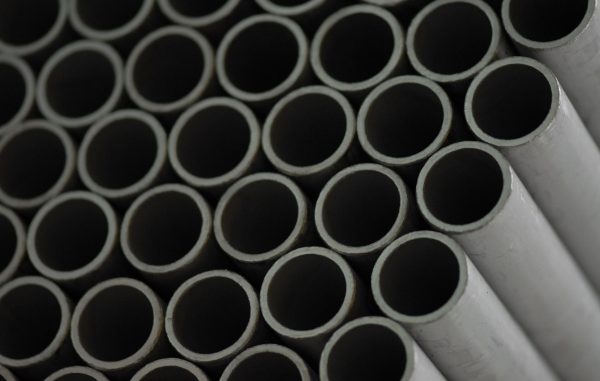
The resistance of stainless steel to rusting is due primarily to the alloying metal present in stainless steels, which is chromium (Cr). Chromium forms chromium oxide on the surface of the steel. This helps ensure that steel in contact with water or humid air does not rust. Already a small content of Cr (from 10.5%) initiates the passivation reaction of the steel surface. However, if the chromium oxide layer is destroyed mechanically or chemically, the steel loses its resistance to corrosion attack at that location. This layer, however, reforms by itself provided oxygen from the environment is available.
Higher chromium content in the steel gives better corrosion resistance. This resistance is further increased by the addition of molybdenum.
Stainless steel can rust!
The enemy of stainless steel is iron. When in contact with steel, basic rules should be observed to preserve its “stainlessness”:
– do not use the same tools to work on stainless steel that were used to work on carbon steel
– Avoid contact between carbon steel and stainless steel – especially during transport, storage, and installation (stainless components should be fastened using screws, rivets, etc. also made of stainless steel).
Discoloration of steel may also occur when:
– an inappropriate grade of stainless steel is used, unsuitable for working in particular conditions, e.g. polluted urban air, salt solutions, etc.
– residues of cleaning agents containing chlorine, etc., are left on the material’s surface
– the design of the structure is improper (recesses, gaps, pockets, etc.).
We must remember that stainless steel requires special attention in the selection of grade, processing, and storage. When properly used and maintained it is an ideal material for various applications and provides many years of trouble-free service of components made from it.
Removal of dirt and discoloration appearing on the surface of stainless steel:
Rust marks: to remove them wet the surface with a solution of oxalic acid and leave for about 15–20 min, then wash with a mild detergent. Rinse the cleaned surface with cold water and dry.
Paint stains: Remove with a paint thinner, using a soft brush, e.g. nylon.
Rinse with clean cold water, dry.
Scratches and scuffs on ground or brushed surfaces: Remove using a polishing disc and polish in the direction of the surface grain (use a polishing material that does not contain iron), then wash with a mild scouring detergent. Rinse with clean cold water, dry.
It should be noted that this method is not suitable for 2B, 2D, or decorative finishes
Fingerprints: Remove by washing with spirits, thinner, trichloroethylene, or acetone.
Rinse with clean cold water and dry.
Oil, grease, and lubricant stains: Wash off with organic solvents as above, then with warm soapy water or a mild detergent. Rinse with clean cold water and wipe dry.
Stains and discolorations that are difficult to remove: These should be washed with a mild scouring detergent, rubbing in the direction of the visible surface grain.
Rinse with clean cold water and dry.
Or:
wash with a 10% solution of (ortho) phosphoric acid. Rinse with an ammonia solution, and then with clean cold water and dry.
Heat tints / more severe discolorations: These should be washed with a mild scouring detergent or rubbed with a coarse pad (Scotchbrite type) in the direction of the visible surface grain.
Rinse with clean cold water and dry.
When using the above methods, follow health and safety rules
1. Use phosphoric and oxalic acids or pickling paste only if other methods have proved ineffective.
2. Wear rubber gloves and safety goggles and observe safety regulations applicable to this type of work.
3. Ensure good ventilation when using solvents and be aware of the fire hazard.