
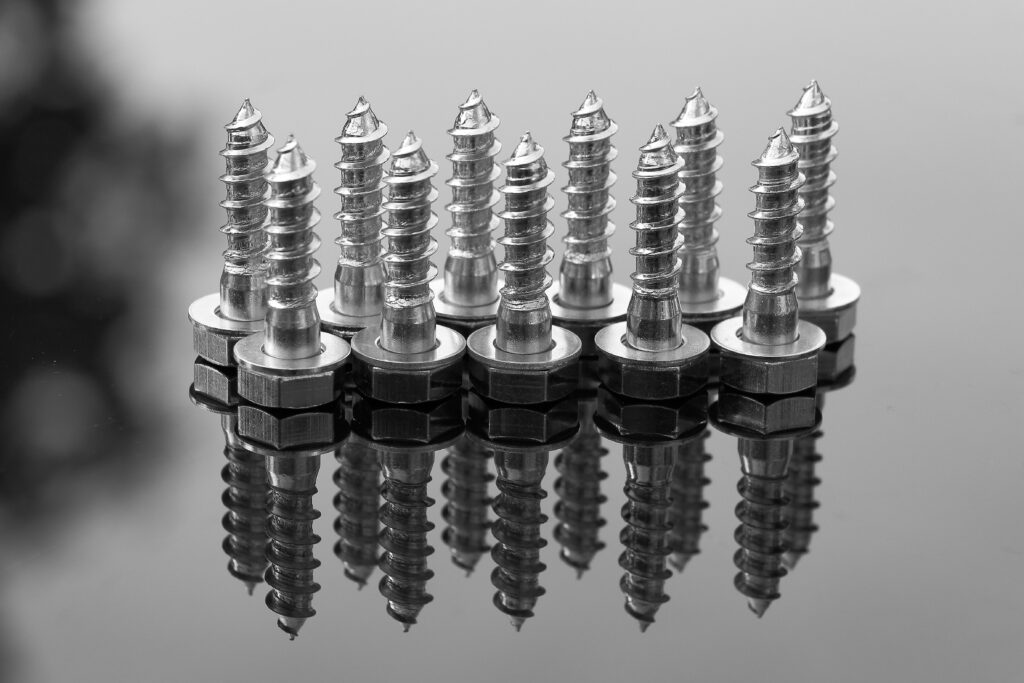
Stainless steel has been breaking popularity records for years. It is used across many branches of the economy worldwide and there is no sign of that changing any time soon. Besides the sheet and bar so common in construction, stainless steel fittings are worth a closer look. What exactly are they?
What are stainless steel fittings?
Stainless steel fittings cover both heat-resistant and acid-resistant fittings. Depending on the pressure, the temperature and the working conditions, the right components have to be chosen for the installation to work as it should. Leading producers of industrial fittings make elbows of various kinds, stub ends, flanges, dished ends and reducers. These components are strong and durable, and are made to strictly defined DIN and EN standards.
Using stainless fittings is crucial to an installation working properly. Even in constant contact with water, the fittings do not rust and keep all their essential characteristics. Remember, though, that fittings have to be matched precisely to the installation – only then do they do their job properly. Anyone without experience in selecting fittings would do best to contact a customer service specialist for professional advice on steel products.
Advantages of stainless steel fittings
Stainless fittings share the advantages of other stainless steel products. Above all they are highly resistant to corrosion, whether from the weather, dilute acids or alkaline solutions. They are also easy to keep clean and need no regular, costly maintenance. Stainless steel is non-toxic, so it can be used in the food and processing industries. Installations made from it are suitable for carrying potable water, because the material does not react chemically with other substances.
It is also worth mentioning that stainless steel lends itself perfectly to recycling: even after remelting it retains its properties. It is easy to work and remelting it places a relatively small burden on the environment. Stainless steel components can serve for years even in aggressive environments and still keep their original characteristics. Choosing stainless fittings may mean higher outlay at the start of a project, but it saves money in the long run, because the material needs no costly, regular maintenance.
Where stainless fittings are used most
Stainless fittings are used across industry in the broadest sense – in chemical and processing installations and in the power sector. Their popularity in construction grows every year, and engineers around the world keep finding new uses for stainless steel components.
Steel products made into fittings make it possible to build installations that transfer a given medium. The material behaves excellently in difficult weather, and stainless steel pipelines – provided they are well built – are highly resistant to internal pressure. With high-grade stainless fittings you can be almost certain that the installation will work properly and safely for many years to come.