
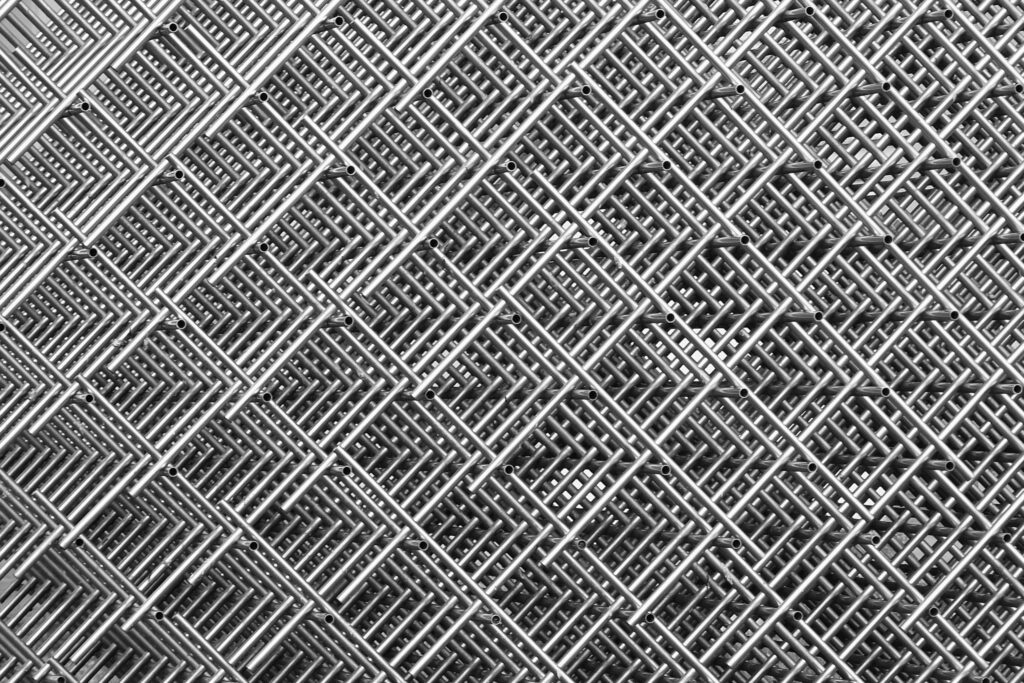
Stainless steel has been in widespread use across global industry for years. Barely a hundred years or so have passed since it was invented and patented, yet today it is one of the greatest allies of the food, chemical and construction sectors. In that last sector, demand for steel components has risen considerably over the past two decades. Where does the popularity of stainless steel in construction and architecture come from?
Why use stainless steel in construction?
Stainless steel is hugely popular with builders because it is strong, long-lived and looks excellent. With steel components there is no need to worry that contact with unfavourable weather will damage them or cause corrosion. Steel surfaces are also easy to keep clean, which is why they are so often made into railings and handrails of all kinds.
Stainless steel is also widely used in public buildings and makes excellent material for street furniture. Thanks to its properties, steel components resist vandalism well and are easy to disinfect. Architects often point out, too, that steel components deliver the contemporary look that matters so much in today’s office buildings and apartments.
Examples of stainless steel in construction and architecture
Whatever stage a house is at, stainless steel components are a great ally. The material is used above all for bars of various kinds and for domestic fittings. Stainless pipes and connectors work excellently when designing gas or drainage installations. Stainless steel can also be used to build a garage or a garden canopy. At the finishing stage it serves as a decorative element: furniture and bathroom fittings are increasingly made from it.
Nor should we forget that lift cars and the cladding of columns and pillars are made from this material. The combination of elegance, strength and longevity makes it, alongside glass, one of the most widely used building materials of the 21st century. Stainless steel has broad application in both residential and office construction. It is no wonder that the material grows more popular every year and that demand keeps rising. The environmental side of the technology matters too.
Environmental aspects of using stainless steel
No discussion of stainless steel is complete without its environmental side. Above all, it is a fully recyclable material: even after remelting it keeps its exceptional anti-corrosion properties. It therefore meets the condition for counting as a material that can function in a closed-loop waste economy. Stainless steel is also long-lived and needs no regular maintenance, because the chromium oxide film covering steel surfaces repairs itself on contact with both air and water. That film is precisely what gives stainless steel its distinctive properties.